
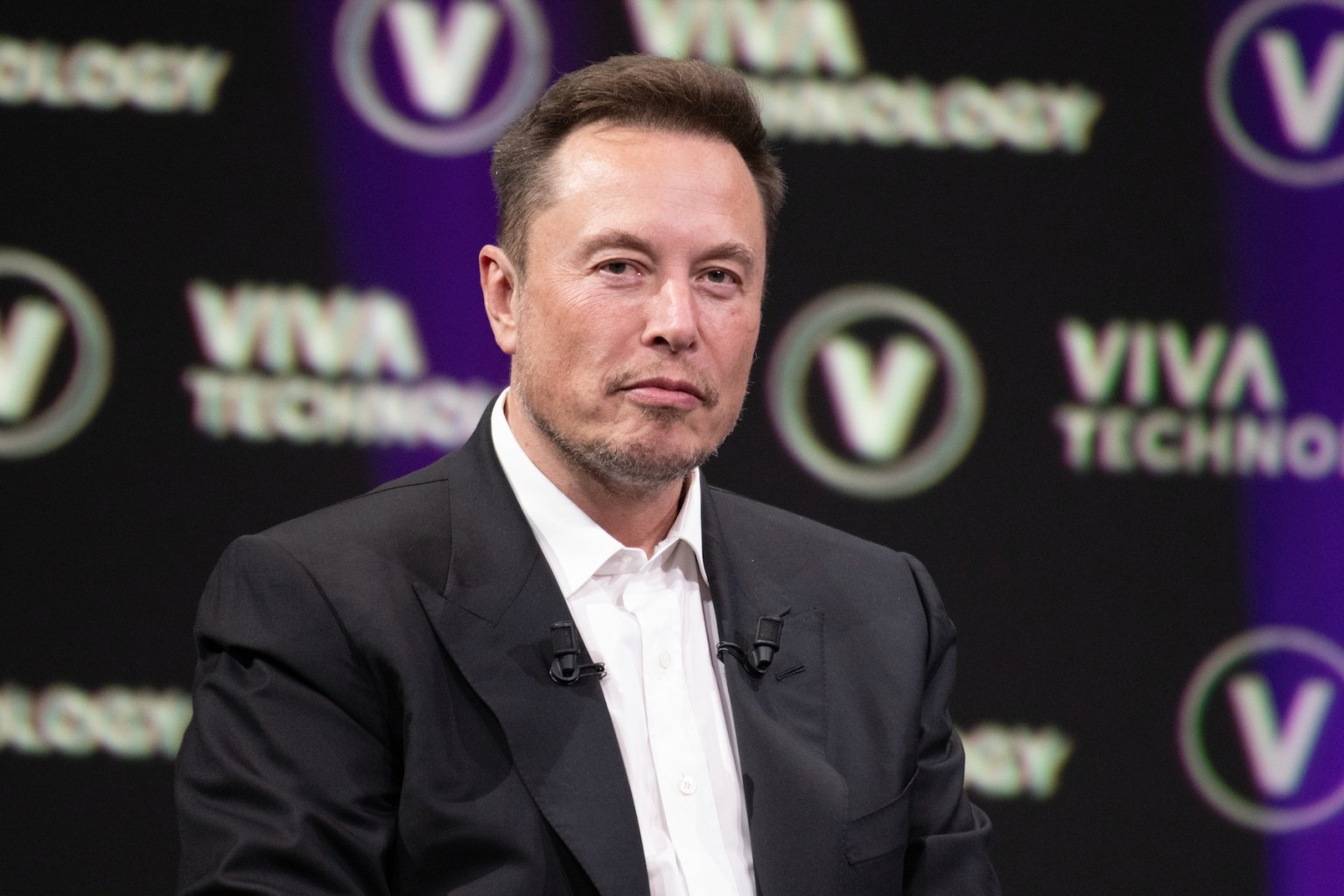
Elon Musk’s ownership of Twitter and his increasing involvement in political discussions create a paradox of power: Can one individual shape both public discourse and government policy without creating conflicts of interest? As a tech mogul with unprecedented influence over information flow and governance, Musk’s role raises ethical and democratic questions.
The Social Media Influence
Since acquiring Twitter, Musk has made sweeping changes, advocating for free speech while also exercising control over platform policies. His influence shapes public opinion, potentially impacting elections and government policies. Critics argue that controlling a major social media platform while participating in government discussions grants him disproportionate power over narratives.
Government and Business Overlap
Musk’s companies, including Tesla and SpaceX, are heavily intertwined with government contracts and policies. His ability to influence both business and politics raises questions about conflicts of interest. If his policy suggestions align with corporate benefits, it could lead to ethical dilemmas regarding fair governance.
Implications for Democracy
While Musk’s leadership in technology is widely recognized, his dual role presents challenges for democracy. Centralized control over communication platforms and government policies could undermine diverse perspectives and create an imbalance in power structures.
Conclusion
The intersection of Musk’s influence in both social media and governance is a growing concern. Transparency, accountability, and democratic safeguards will be crucial in ensuring that his power does not tilt the balance of influence disproportionately in favor of corporate interests.